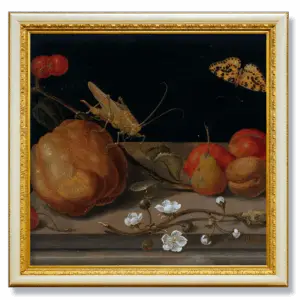
Judith Leyster (1609–1660) was a leading Haarlem genre painter during the Dutch Golden Age, known for lively tavern scenes, musicians, and confident self-portraits. Long misattributed to Frans Hals, her independent career was extraordinary for women.
Brewery Daughter Turned Prodigy
Born July 28, 1609, in Haarlem to brewery owner Jan Willemsz Leyster. Family bankruptcy in 1624 launched her career; by 19, local chronicler praised her “good and keen insight” in painting.
First Dated Work at Age 16
The Jester (1625), her earliest signed painting, shows masterful light effects and Caravaggesque drama. Proved technical skill while most women lacked formal training.
First Woman Master in Haarlem Guild (1633)
Joined Haarlem Guild of St. Luke as independent master—one of few women ever admitted. Allowed her to run workshop, take paying students (at least 3 male apprentices).
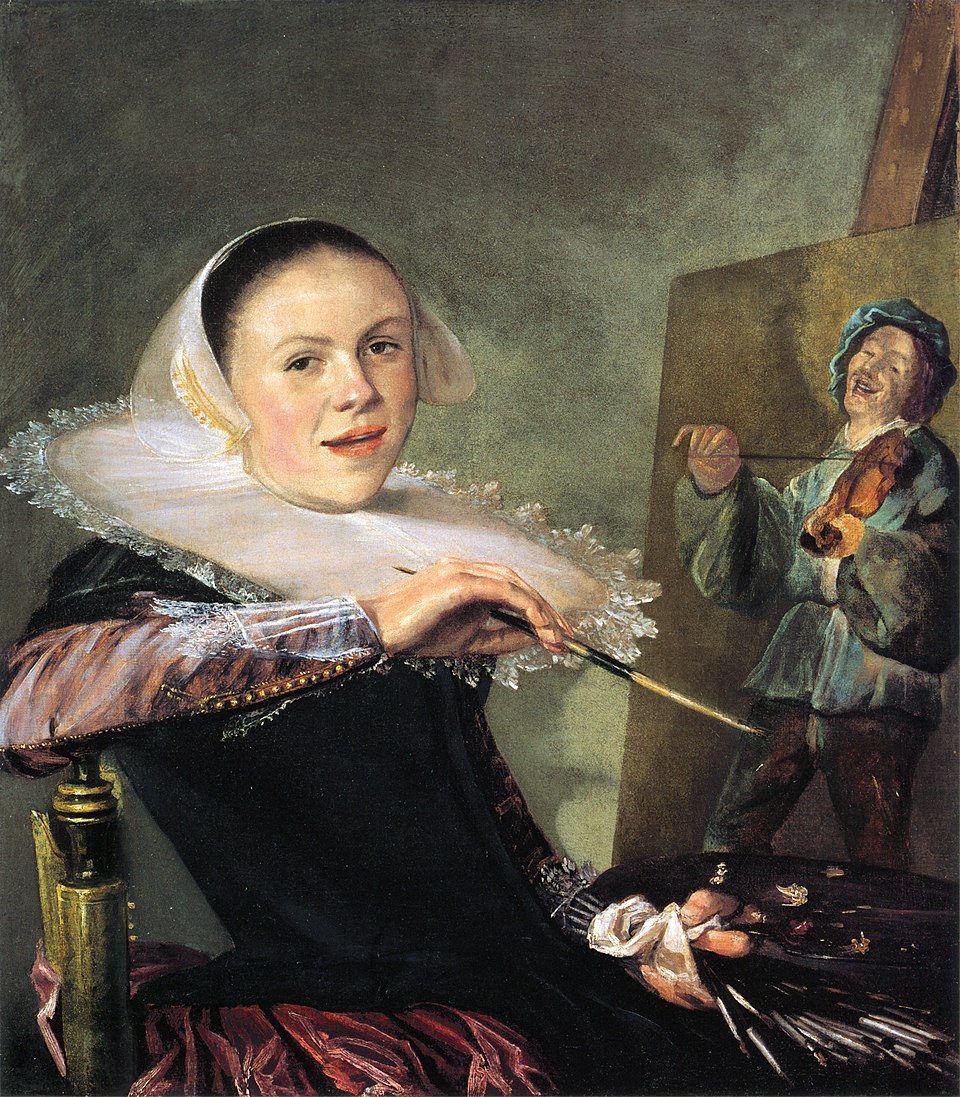
Iconic "Self-Portrait" at Easel (c. 1633)
Confident self-portrait shows her pausing mid-work on violinist painting, 18 brushes ready. Guild presentation piece exuding mastery; National Gallery of Art calls it “early selfie.”
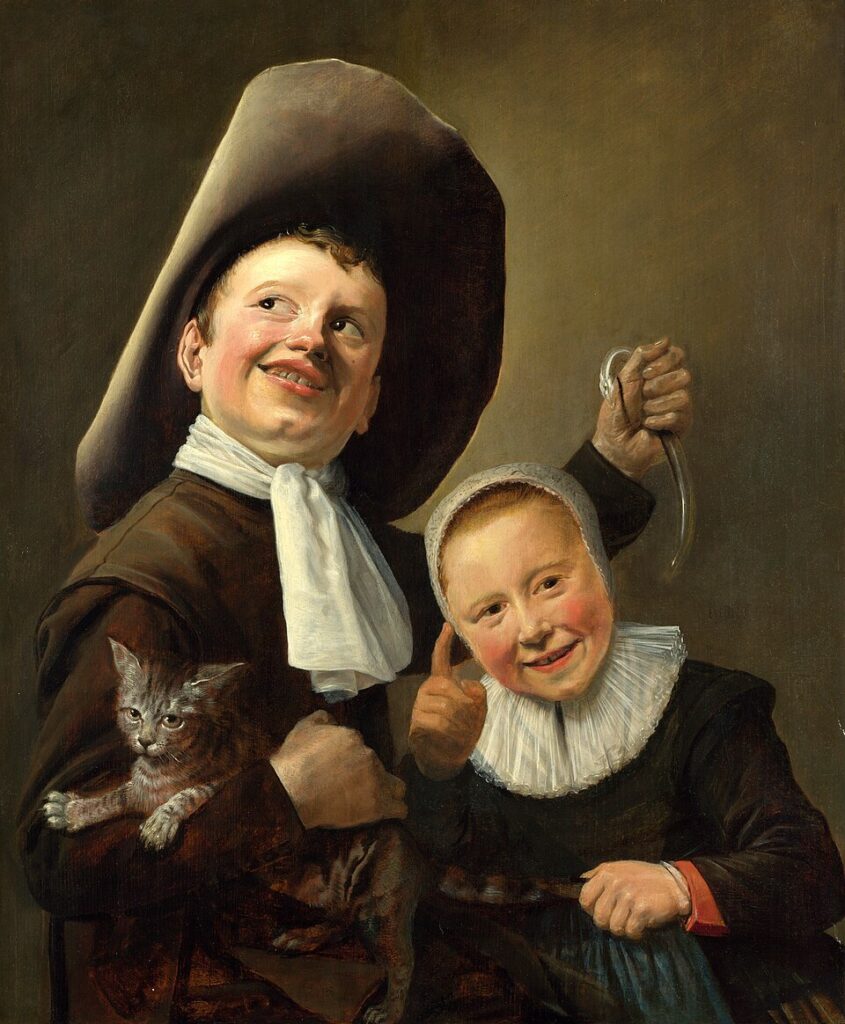
Joyful Tavern Scenes and Merry Companies
Signature style: warm lighting, diagonal compositions, expressive figures. The Proposition (1631) depicts flirtatious exchange with psychological depth rivaling male contemporaries.
Sued Frans Hals Over Student Poaching (1635)
Pupil Willem Woutersz left her studio for Hals after days. Leyster sued guild head; won partial tuition payment—asserted professional rights publicly.
Married Fellow Painter Jan Miense Molenaer
Wed genre painter Molenaer in 1636; moved to Amsterdam for clients. Shared studio, collaborated; had 5 children (2 survived). Painting output declined post-marriage.
Misattributed to Frans Hals for 200 Years
Works signed “JL*” mistaken for “FH” (Frans Hals). Rediscovered 1893 when signature revealed; over 40 paintings reclaimed from male “masters.”
Back to Heemstede 1648; final works include Portrait of a Man (1652). Died February 10, 1660; contemporaries called her “true leading star” (Leyster = lodestar).
Leyster proved women could run professional studios, sue rivals, join guilds in male-dominated Dutch Golden Age. Rediscovery highlights gender bias in attribution. Joyful, masterful works rival Hals.