Élisabeth Vigée Le Brun (1755–1842) was France’s most successful female portraitist, painting Marie Antoinette 30+ times. Exiled during Revolution, she painted European royalty for 12 years before triumphant return.
Child Prodigy Self-Taught by Age 12
Born April 16, 1755, in Paris to sculptor Louis Vigée and hairdresser. Self-taught after father’s death (1763); copied masters at Louvre by age 12. First paid portrait at 15.
Married Art Dealer Against Family Wishes
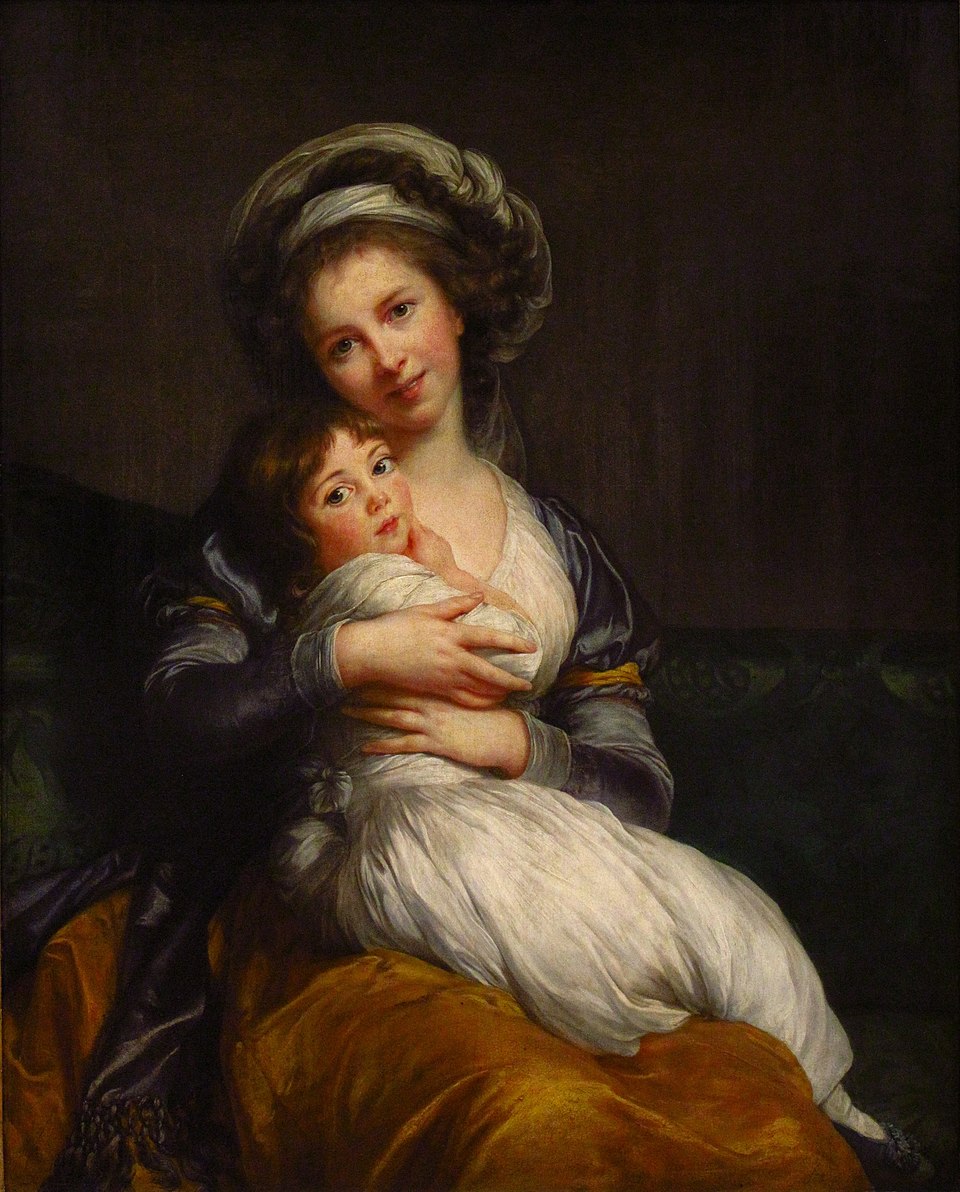
Wed art dealer Jean-Baptiste Le Brun 1776 at 21 despite mother’s opposition. Daughter Julie born 1780 – frequent muse. Marriage funded studio but husband gambled earnings.
Marie Antoinette's Official Portraitist (1778)
First royal commission: Marie Antoinette portrait 1778. Queen loved her flattering style; painted 30+ portraits in 6 years. Vigée Le Brun called “the queen’s shadow.”
Académie Royale Admission (1783) - First Woman in 80 Years
Elected to Académie Royale de Peinture et de Sculpture 1783 through royal intervention. Second woman after Anne Vallayer-Coster (1770); scandalized male artists.
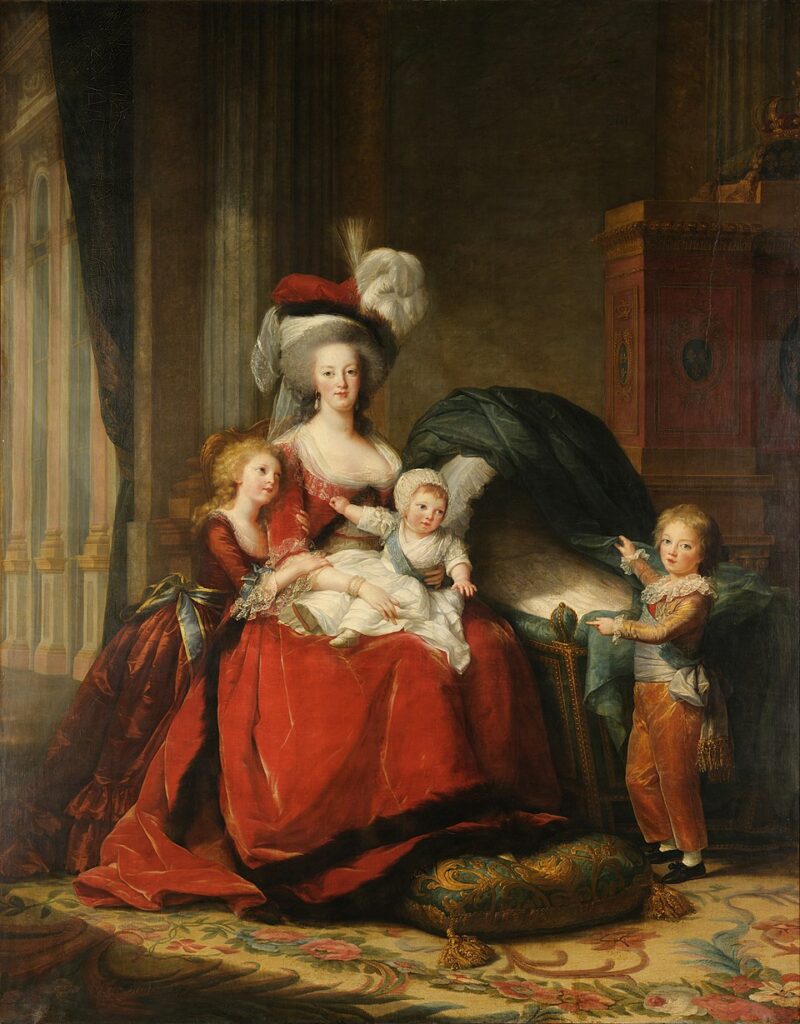
Marie Antoinette with Her Children (1787) Masterpiece
Iconic state portrait shows queen with 3 children – empty cradle hints at dead son. Public hated “chemise dress”; Vigée Le Brun destroyed, repainted it.
Fled Revolution Midnight 1789 with Daughter
Storming Bastille + royalist ties forced flight October 5, 1789. Disguised as peasants, crossed Italian border. Husband stayed; she supported family painting abroad.
12-Year European Exile Triumph (1789–1802)
Painted Italian nobility, Russian empress Catherine II (44 portraits), Austrian court. Self-Portrait à la Grecque with daughter Julie (1790) shows resilience.
Painted 600+ Portraits Across 14 Countries
From Italy to Russia, painted royalty and aristocrats. Memoirs Souvenirs (1835–37) best-seller – first autobiography by female artist.
Returned to France Under Napoleon (1802)
Amnestied 1802; Napoleon admired but criticized “too much rouge.” Continued success until 1830s; final self-portrait 1842 shows unbowed spirit.
Died Celebrated at 87, Legacy Endures
Died March 30, 1842. Buried Père Lachaise; 700+ works survive. Pioneered female portraiture blending flattery with psychological insight.
Survived Revolution exile, raised daughter alone, wrote memoirs – model of female resilience. Humanized doomed queen through 30+ portraits. Dominated royal portraiture.