Artemisia Gentileschi (1593 – c. 1656) ranks among the most extraordinary figures in art history – a female Baroque master who channeled personal trauma into powerful paintings of heroic women. Daughter of Caravaggist Orazio Gentileschi, she shattered gender barriers in 17th-century Italy.
Child Prodigy in an Artistic Dynasty
Born July 8, 1593, in Rome, Artemisia apprenticed under her father Orazio, a Caravaggio follower known for dramatic chiaroscuro. At just 17, she painted Susanna and the Elders (1610), a psychologically intense scene of violation that showcased her mastery of anatomy, emotion, and light – skills rivaling established male artists.
Raped by Her Tutor at Age 17
On May 6, 1611, painting tutor Agostino Tassi raped the 17-year-old Artemisia after months of false marriage promises. She fought back fiercely, but Tassi – a colleague of her father – exploited his authority in a society where women’s honor hinged on virginity.
A Groundbreaking Seven-Month Rape Trial
Orazio sued Tassi in a rare act of paternal justice, exposing his crimes: plotting his wife’s murder, adultery, art theft. The 1611 – 1612 trial lasted seven months, making Artemisia’s testimony one of history’s first documented rape survivor accounts.
Tortured with "Sibille" to Verify Her Testimony
To “test” her truthfulness, courts applied sibille – cords tightened around her fingers like thumbscrews, causing agony. Unbroken, she confronted Tassi: “This is the ring you gave me, and these are your promises.” Tassi got a fine and eight months’ jail – meager justice.
Judith Slaying Holofernes as Personal Revenge
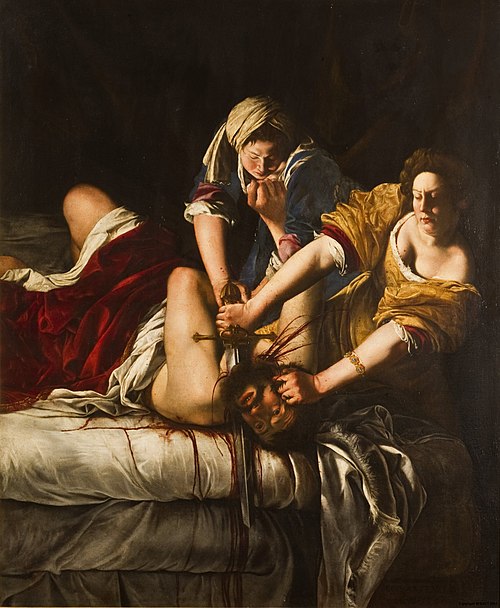
Around 1612-13, post-trial, she created Judith Slaying Holofernes (Naples version), depicting women brutally beheading the tyrant. The determined faces, spraying blood, and female agency scream vengeance – many see Judith’s features as Artemisia’s own.
First Woman in Florence's Prestigious Academy
In 1616, Artemisia joined Florence’s Accademia del Disegno – the first woman ever admitted. This granted legal independence: signing contracts, buying supplies without male oversight, working for Medici patrons on equal footing.
Paid More Than Male Counterparts
For 1615 Casa Buonarroti ceiling frescoes (Michelangelo’s former home), she earned higher fees than male colleagues. Post-separation from husband Pierantonio Stiattesi (c. 1620), she ran independent studios, negotiating directly with elites.
Nomadic Career Across Europe
Artemisia roamed: Florence (Medici commissions), Venice (literary academies), Naples (viceregal patronage), London (1638, aiding Orazio at Charles I’s court). Alive as late as August 1654, she likely died in Naples’ 1656 plague.
Self-Portrait as Painting Personified
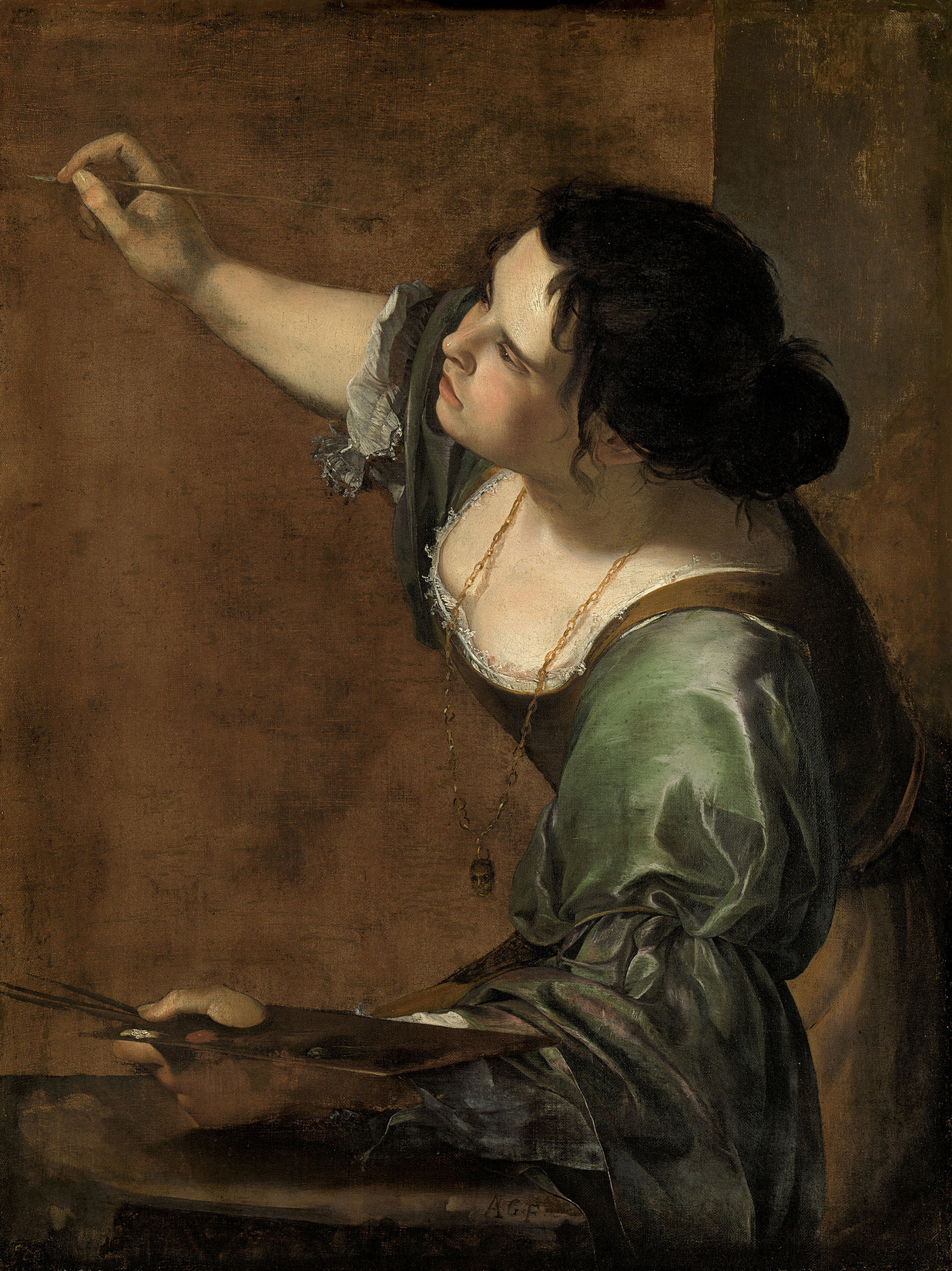
Her Self-Portrait as the Allegory of Painting (c. 1630, Royal Collection) casts her as “La Pittura”- muse made creator. No passive model: she’s dynamic, winged, compelled by artistic passion, reclaiming female identity in art.
Galileo Friendship and Intellectual Circles
In Florence, she corresponded with Galileo Galilei on astronomy and science, joining elite academies like Accademia degli Incogniti. This polymath life – painter, scholar, businesswoman – defied era norms, cementing her Renaissance woman status.
Forgotten for centuries (works misattributed to men), feminist scholars rediscovered her in the 20th century. Today, she’s a #MeToo icon: survivor-turned-warrior whose visceral Baroque works demand justice, autonomy, and recognition for women artists.