Mary Cassatt
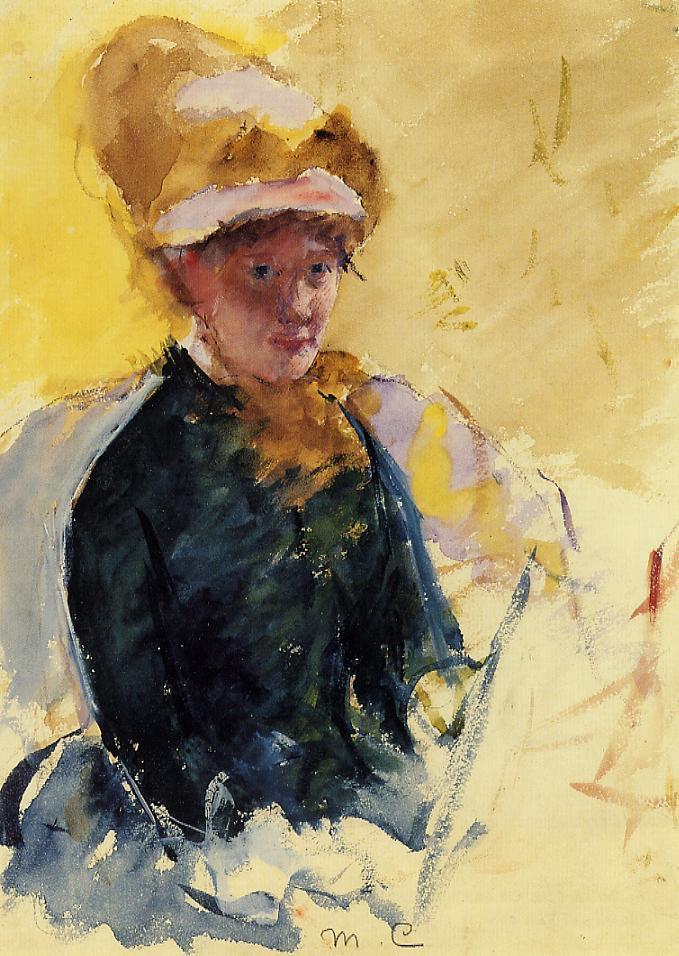
Mary Cassatt (1844–1926) was the only American in the Impressionist inner circle, creating intimate mother-child scenes with revolutionary color and light. Invited by Degas, she transformed domestic life into high art.
American Prodigy in Paris
Born May 22, 1844, in Allegheny City (now Pittsburgh), Cassatt studied at Pennsylvania Academy before moving to Paris in 1866. Self-taught in Impressionism, she rejected America’s limited opportunities for women artists.
Discovered by Degas and Joined the Rebels
In 1877, Edgar Degas spotted her work and invited her to exhibit with the Impressionists. Cassatt called it “the turning point of my artistic life,” abandoning dark academic style for vibrant, loose brushwork.
Pioneered Motherhood as Modern Art
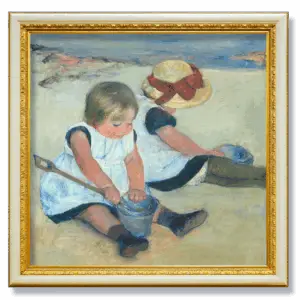
Cassatt specialized in mother-and-child scenes, elevating everyday domesticity to universal themes. Unlike sentimental Victorian paintings, hers captured genuine emotional bonds with broken color and natural poses.
The Child's Bath: Her Masterpiece
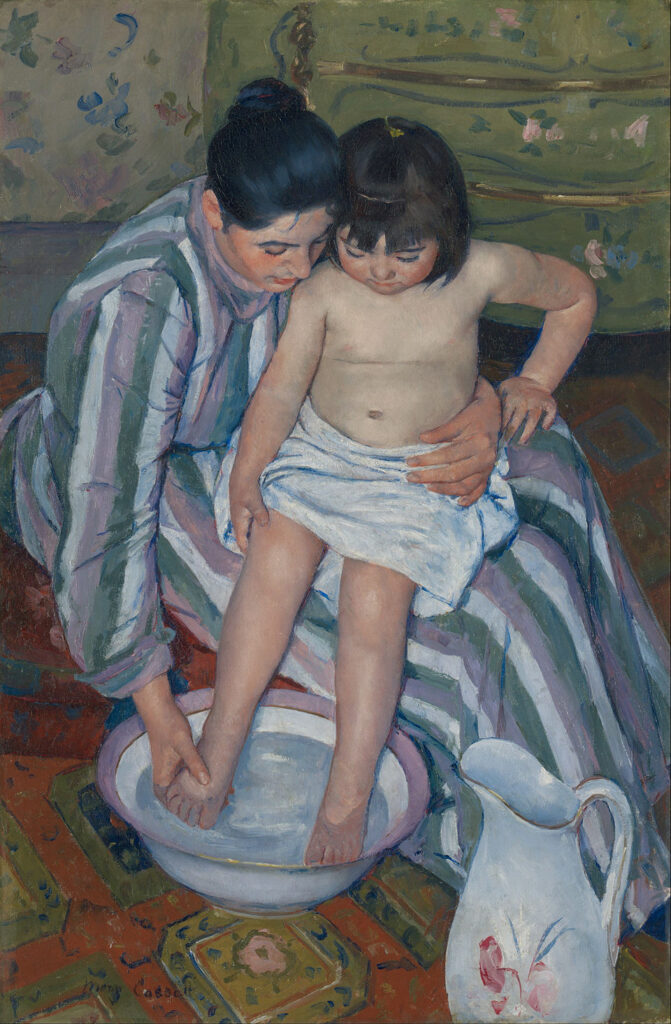
The Child’s Bath (1886) shows a mother tenderly washing her daughter, bathed in golden light with flattened perspective. Critics hailed it as “the finest picture by a woman painter in the show.”
Rejected the Salon for Independence
After initial Salon success, Cassatt quit in 1879, declaring official art “stagnant.” She exhibited exclusively with Impressionists (1879, 1880, 1881, 1886), prioritizing artistic freedom over establishment approval.
Female Printmaking Revolution
Inspired by Japanese ukiyo-e, Cassatt created “The Ten” (1890-91) – ten color etchings of women in modern life. These innovative prints rivaled Degas and influenced Art Nouveau.
Defied Victorian Dress Codes
Cassatt shocked Paris by painting women in contemporary fashion – high-necked dresses, elaborate hats, gloves – not idealized nudes. She declared: “I will paint modern life as I see it.”
Wealthy Patron and Art Collector
Inheriting family wealth, Cassatt became America’s greatest Impressionist collector, acquiring 100+ works by Degas, Monet, Renoir, Pissarro for U.S. museums. She shaped American taste single-handedly.
Advised Isabella Stewart Gardner
Cassatt mentored Isabella Stewart Gardner, guiding her legendary Fenway Court collection. Their correspondence reveals Cassatt as the era’s most influential female tastemaker.
Tragic Blindness in Final Years
From 1911, Cassatt lost vision to cataracts and diabetes, destroying her ability to paint. She destroyed unfinished works and lived reclusively until her death on June 14, 1926, at age 82.
Once dismissed as “Degas’ pupil,” Cassatt invented modern motherhood portraiture and female perspective in art. Her technical brilliance – pastel innovation, color theory, printmaking – proved American women could rival French masters. Today she’s celebrated as Impressionism’s feminist innovator.