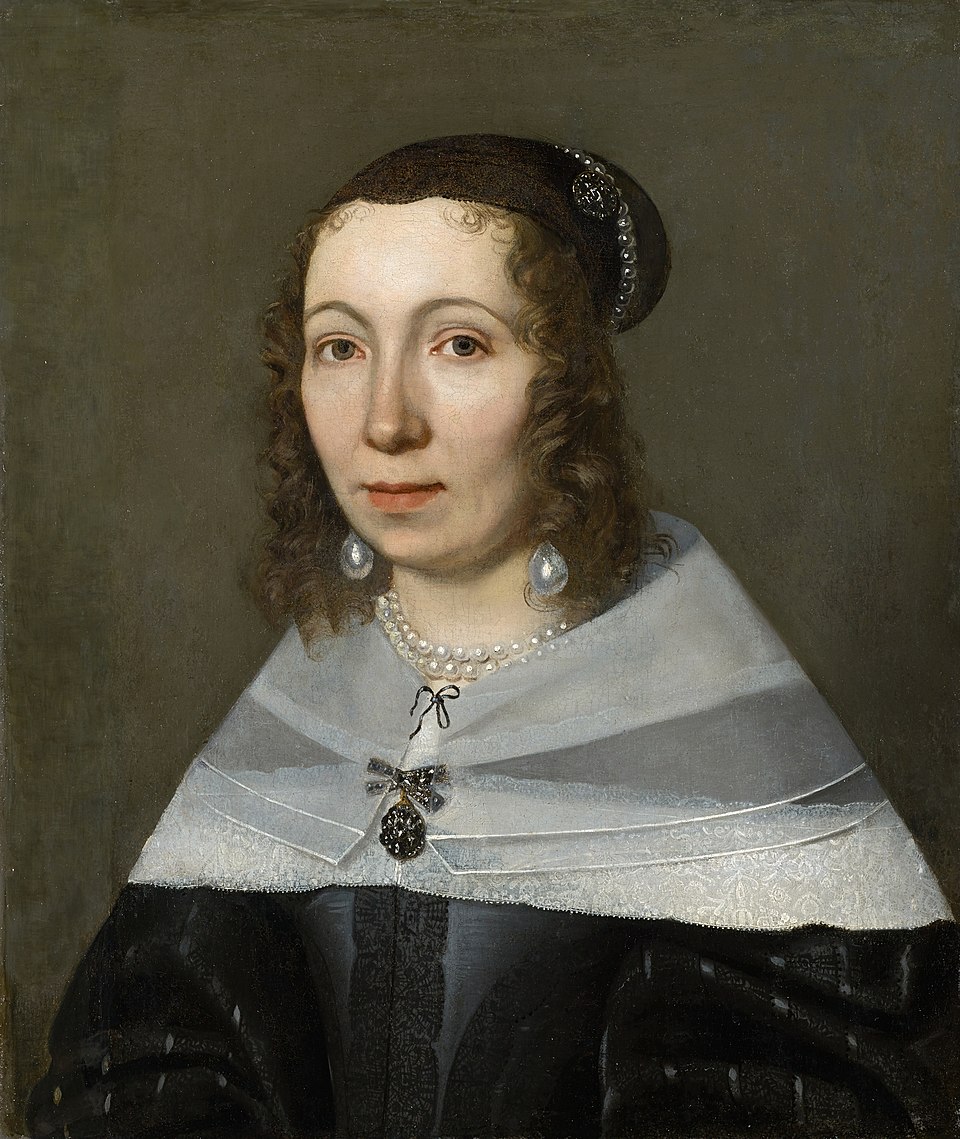
Maria Sibylla Merian
Maria Sibylla Merian (1647–1717) was a pioneering naturalist-artist who documented insect life cycles, debunking spontaneous generation myths. Self-funded expedition to Suriname made her first woman scientist to study tropical ecosystems.
Prodigy Daughter of Engraver and Florist
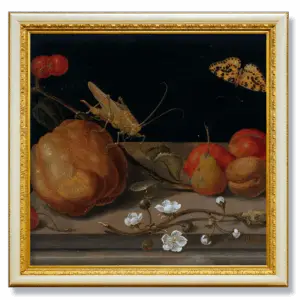
Born February 2, 1647, in Frankfurt to Swiss engraver Matthäus Merian the Elder and first wife Johanna Sibylla Heim. Learned drawing from father; mother taught flower painting. Published first book New Flower Book at age 28.
First to Document Complete Insect Metamorphosis
Published The Caterpillars’ Marvelous Transformation (1679) showing egg-larva-pupa-adult cycles with host plants. Disproved “spontaneous generation from mud”—scientific breakthrough using live observation.
Labadist Sect Divorce and Amsterdam Move
Married engraver Jacob Marrel at 18; had daughters Johanna Helena and Dorothea Maria. Joined radical Labadist sect 1686, divorced Marrel 1691. Moved to Amsterdam 1691 with daughters, focusing on science.
Self-Funded Suriname Expedition at Age 52
1699: sold 255 paintings to finance 2-year trip to Dutch Suriname with daughter Dorothea (52 and 19 years old). First woman on purely scientific expedition to South America—no male sponsor.
Jungle Research with Indigenous Knowledge
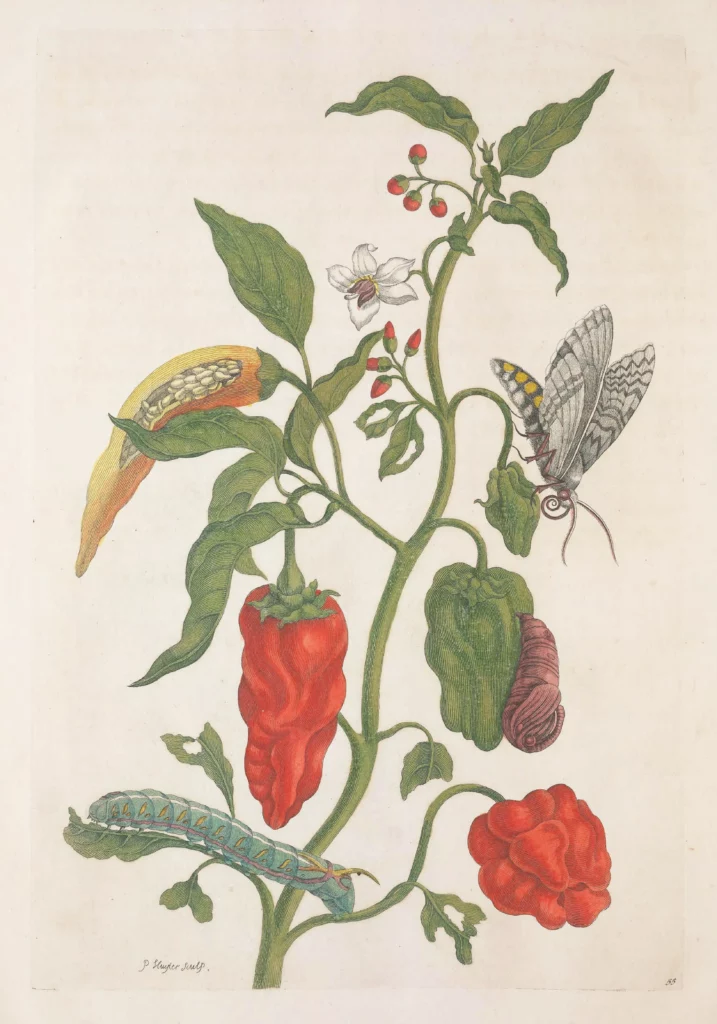
In Suriname jungles, Merian studied 186 insect species, documenting host plants, predators, behaviors. Learned from enslaved Indigenous people: “I learned more from them than white colonists.
Metamorphosis Insectorum Surinamensium Masterpiece
1705 published 60-plate folio showing Suriname insects/plants in full life cycles. First ecology book: insect-plant interactions, Native names. Peter the Great bought copy for his library.
Criticized Colonial Exploitation
In book preface condemned Dutch planters: “They mock me for seeking anything but sugar. They destroy forests for plantations, killing unknown species.”
Raised Two Artist Daughters
Both daughters became engravers. Johanna Helena colored mother’s plates; Dorothea Maria accompanied Suriname trip, helping collect/document specimens.
Proto-Ecologist Ahead of Her Time
Documented pollination, predation, habitat specificity 200 years before ecology as field. Noted caterpillars die without specific plants—foreshadowing food web science.
Died Poor Despite Fame, Legacy Endures
Died January 13, 1717, in Amsterdam from malaria complications. Buried pauper’s grave; daughters preserved work. Tsar Peter the Great bought her collection.
Merian pioneered scientific illustration, field biology, ecology. Suriname expedition predated Humboldt by century. First to show interspecies relationships visually—modern biodiversity studies owe her methodology.